Short answer
R-value measures how well a material resists heat flow, so a higher number means a warmer garage, but only if the door seals: gaps around a door leak more heat than the panels do. Polyurethane-filled doors insulate better than polystyrene panels of the same thickness, and Angi puts insulated steel doors at about $650 to $3,200 installed.
What R-value means on a garage door
R-value is a measure of thermal resistance: the higher the number, the slower heat moves through the material. Garage door makers publish an R-value for each insulated model, which makes it easy to compare doors.
Compare like with like, though. Some figures describe the insulated panel section alone, while others try to describe the whole door, including its joints and edges. A door is only as good as its weakest path, and on most doors that path runs around the edges, not through the foam.
Polystyrene versus polyurethane
| Polystyrene | Polyurethane | |
|---|---|---|
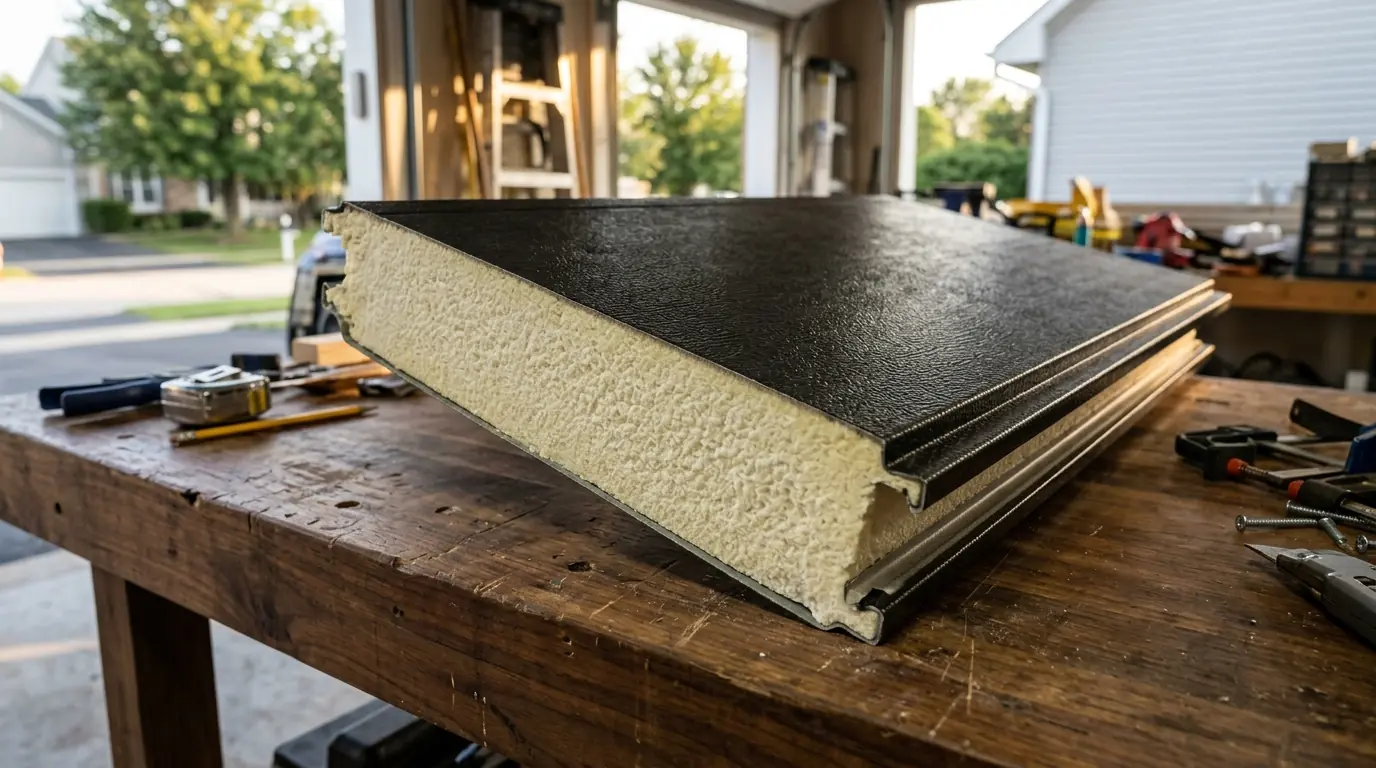
| How it is made | Rigid foam panels set behind the steel | Foam injected between two steel skins |
| Insulation for its thickness | Good | Better |
| Stiffness and dent resistance | Better than uninsulated | Best |
| Price | Lower | Higher |
Both are a big step up from single-layer steel. Polyurethane bonds to both skins as it expands, which also makes the door stiffer and quieter.
Seals matter as much as foam
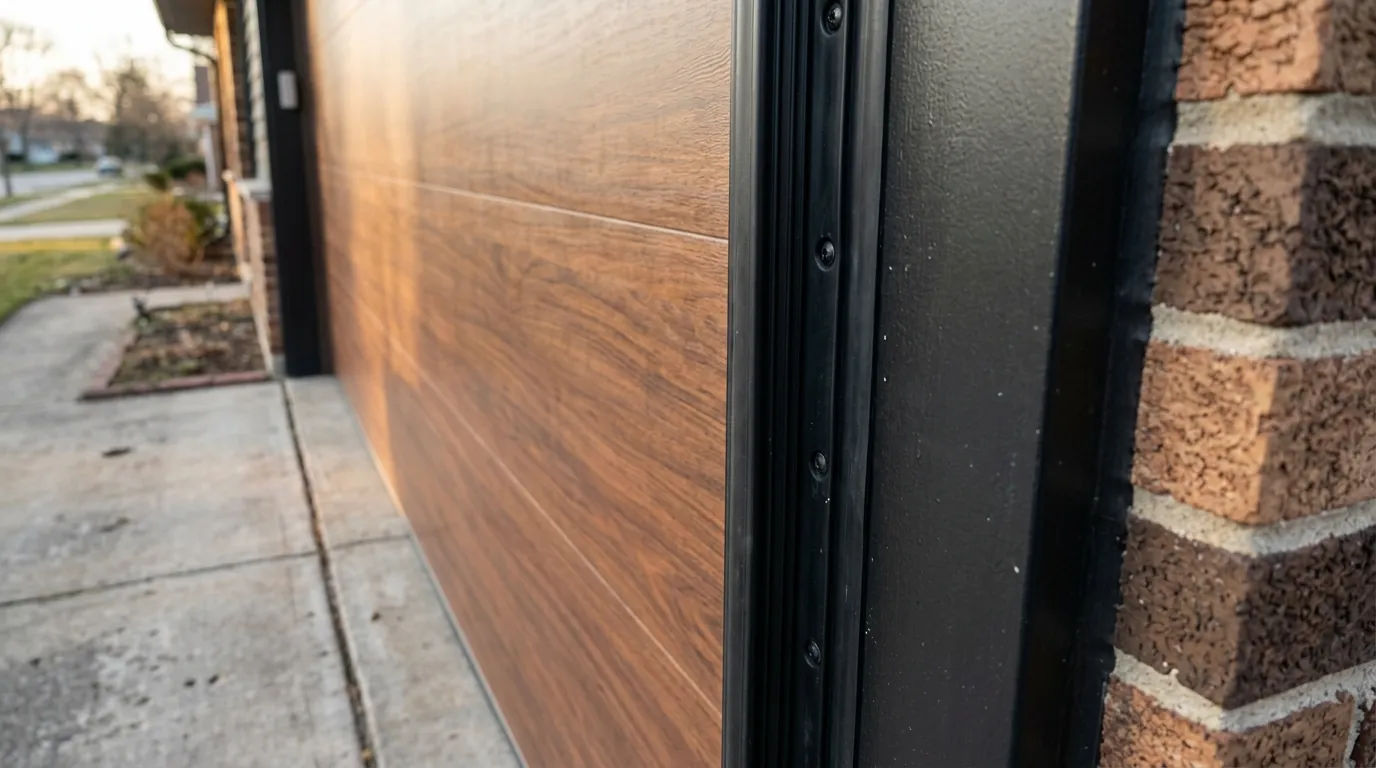
A well-insulated door with a torn bottom seal and gaps at the jambs still lets in cold air, and air leaks move more heat than conduction through the panels. Every insulated door should go in with a new bottom seal and perimeter weatherstripping, and the travel limit should be set so the door closes firmly against the floor.
When insulation pays off in Naperville
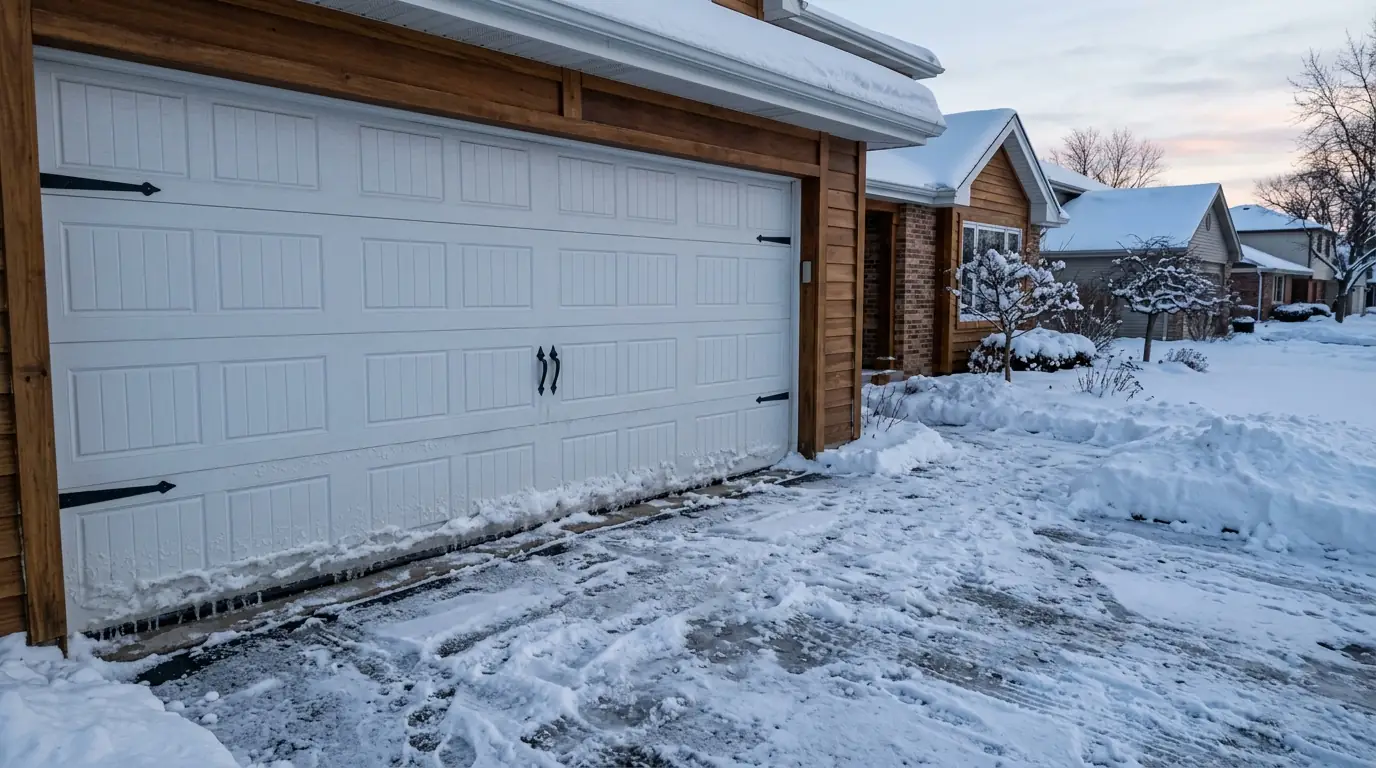
Naperville's January lows average about 17F. An attached garage with an uninsulated door sits close to the outdoor temperature, and the wall or ceiling it shares with the house loses heat into it. Insulation pays off most when the garage is attached, when a bedroom sits above it, or when the garage is used as a workshop or gym.
In a detached garage that is only used for parking, the case is weaker, and money is often better spent on springs, seals and an opener.
Insulate the door you have, or buy new
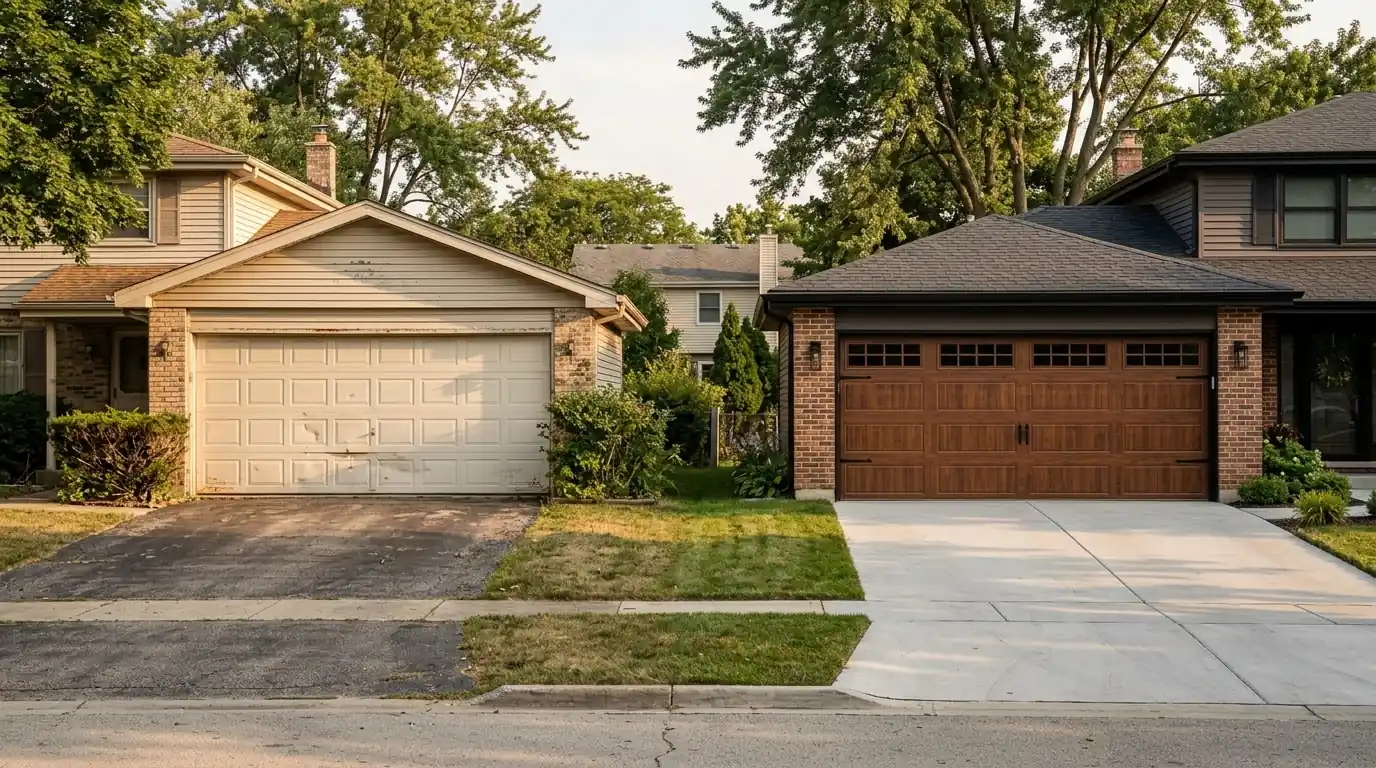
If your steel door is sound but hollow, an insulation kit is the budget route: foam panels fitted into each section, with the springs adjusted for the added weight. If the door is dented, rusting or near the end of its life, a new insulated door insulates and seals better and changes the look of the house at the same time.
When to call instead
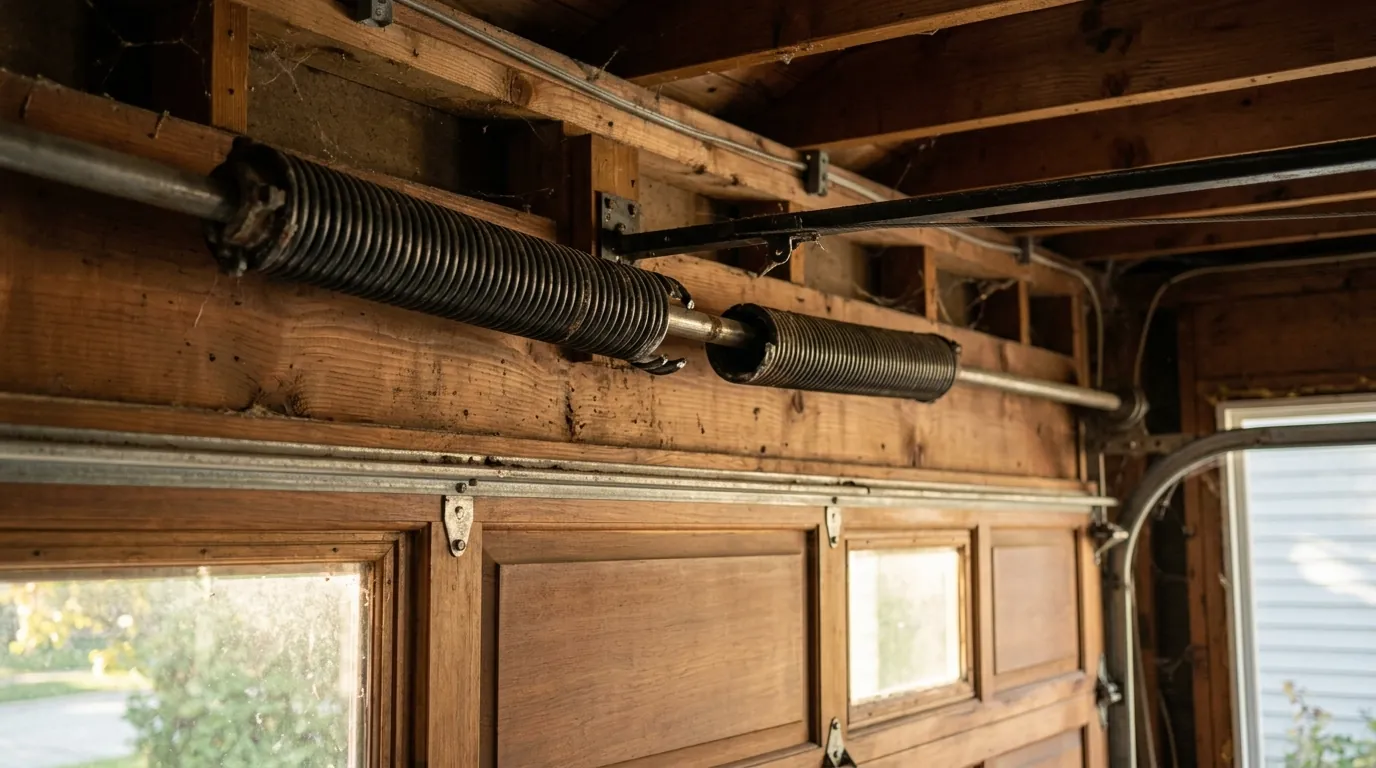
Adding insulation changes the door's weight. Whether it is a kit or a new door, the springs must be sized or adjusted to match, which is work for a technician.
Related: Insulated Garage Doors, Garage Door Insulation Kits, Garage Door Weatherstripping.