Short answer
Replacing both torsion springs on a typical garage door costs about $150 to $350, and both side extension springs about $120 to $200, according to HomeGuide's national cost guide. Door weight, spring size, a high-cycle upgrade and an after-hours call move the price, and springs are replaced in pairs because they wear together.
What the national ranges say
Published cost guides give a useful planning range, though no guide can price your door without seeing it. These are the figures we cite on this site, all from national guides rather than our own quotes:
| Job | National range | Source |
|---|---|---|
| Both torsion springs | $150 to $350 | HomeGuide |
| Both extension springs | $120 to $200 | HomeGuide |
| Lift cable repair | $150 to $350 | HomeGuide |
| Opener repair | $100 to $500 | Angi |
The spread inside each range is real. A light single-car door with standard springs sits near the bottom; a heavy insulated two-car door with long, thick springs and worn cables sits near the top.
Why springs are replaced in pairs
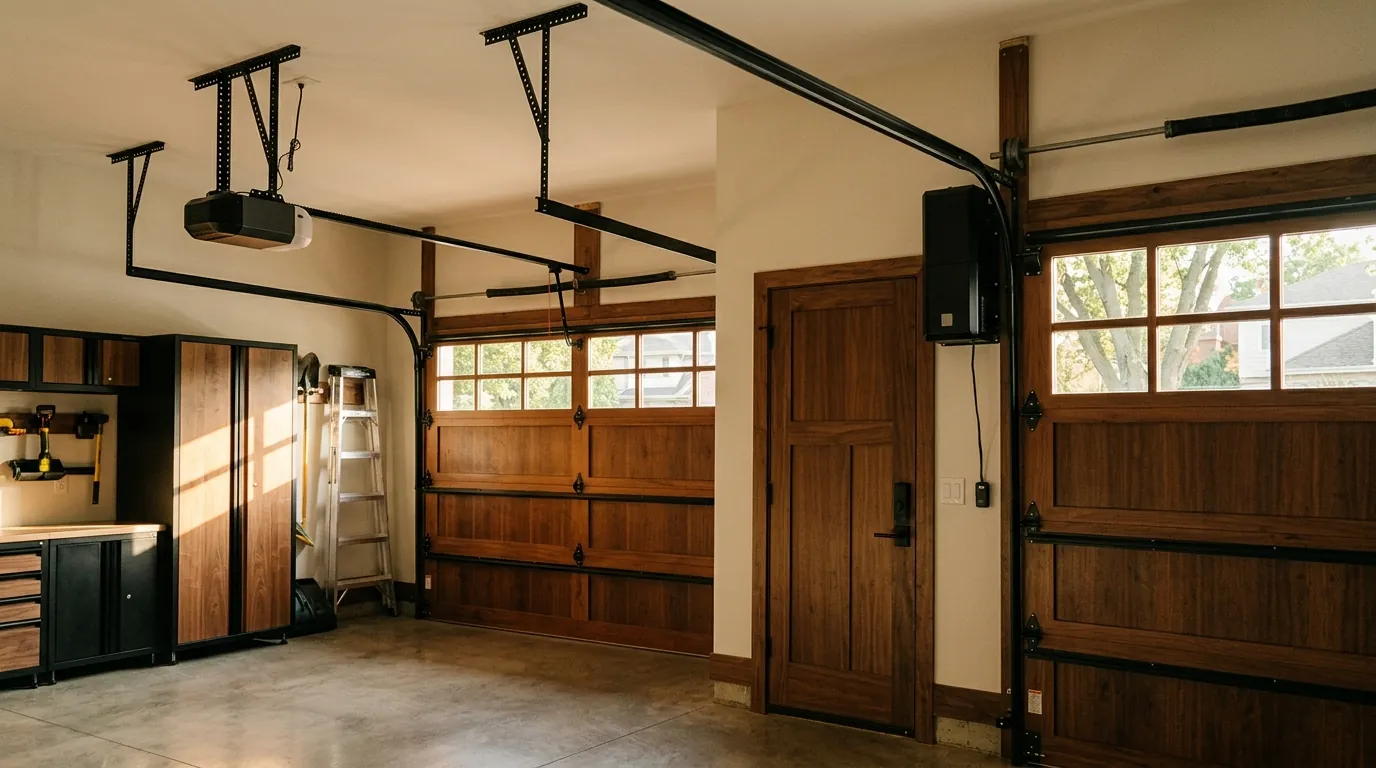
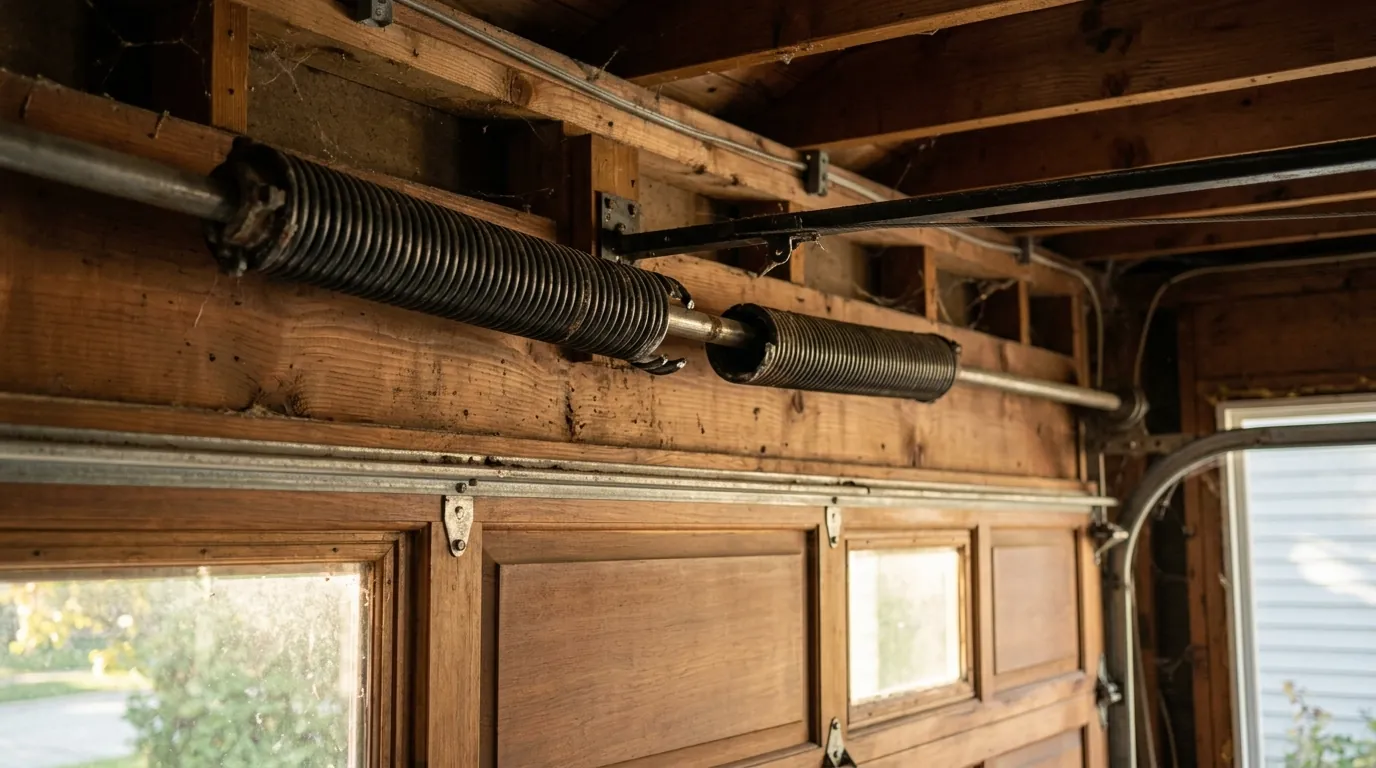
Most two-car doors carry two torsion springs, and every extension-spring door has one on each side. They were installed together and have made the same number of cycles. When one breaks, the other is close behind, and a new spring paired with a worn one leaves the door out of balance.
That is why we price both springs and let you decide. Replacing one is cheaper today; replacing both usually saves a second visit within months.
What moves the price on your door
- The door's weight and height, which decide the spring's wire size and length
- Whether the door has torsion springs over the opening or extension springs on the sides
- High-cycle springs instead of standard ones
- Worn cables, drums or bearings found during the repair
- A night, weekend or holiday call
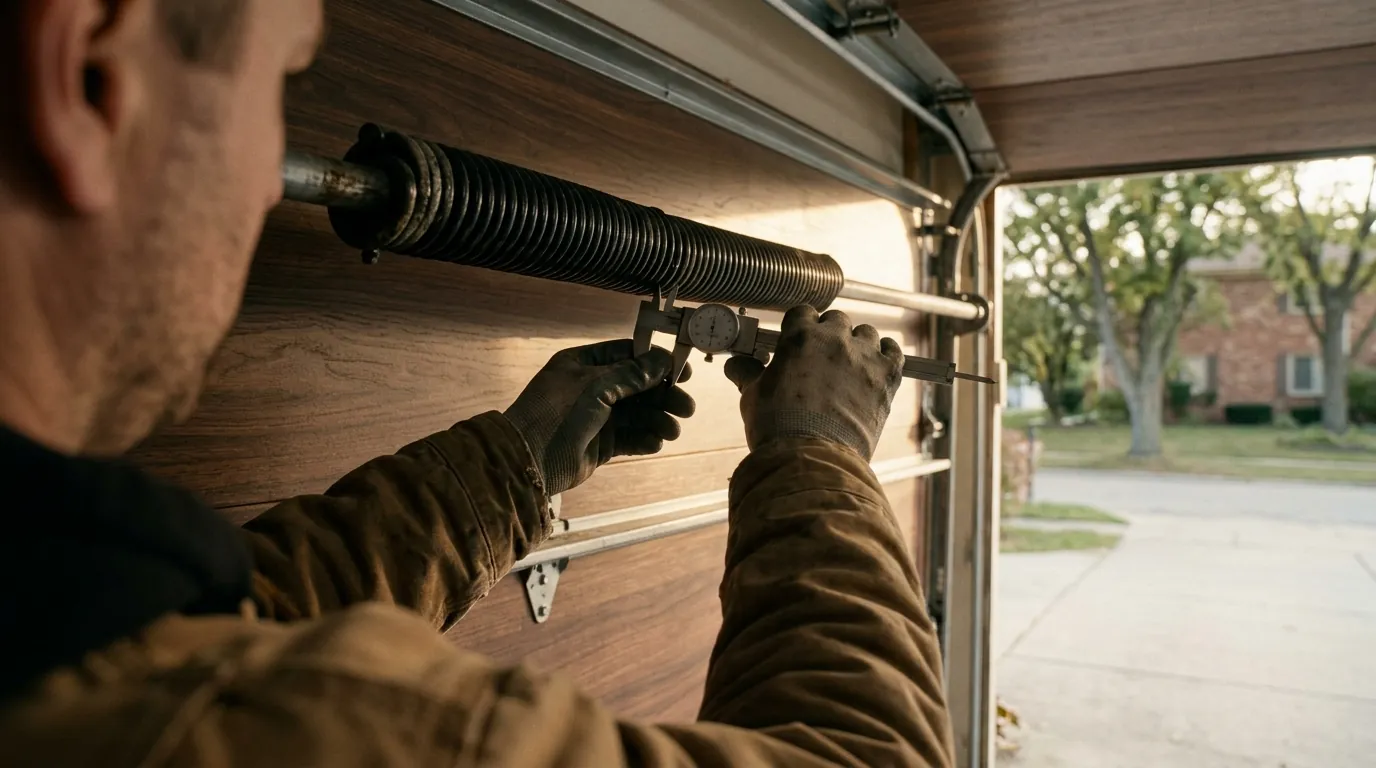
Standard or high-cycle springs
A standard torsion spring is rated for about 10,000 open-and-close cycles, and high-cycle springs are made in 25,000 to 50,000 cycle ratings and up. The arithmetic is simple: a door that opens and closes four times a day makes about 1,460 cycles a year, so a standard spring lasts roughly seven years at that pace.
If your household uses the garage as its main entrance, or the door cycles far more than that, high-cycle springs cost more up front and push the next replacement years further out. The spring life calculator on our homepage runs the numbers for your door.
Why cold mornings and broken springs go together
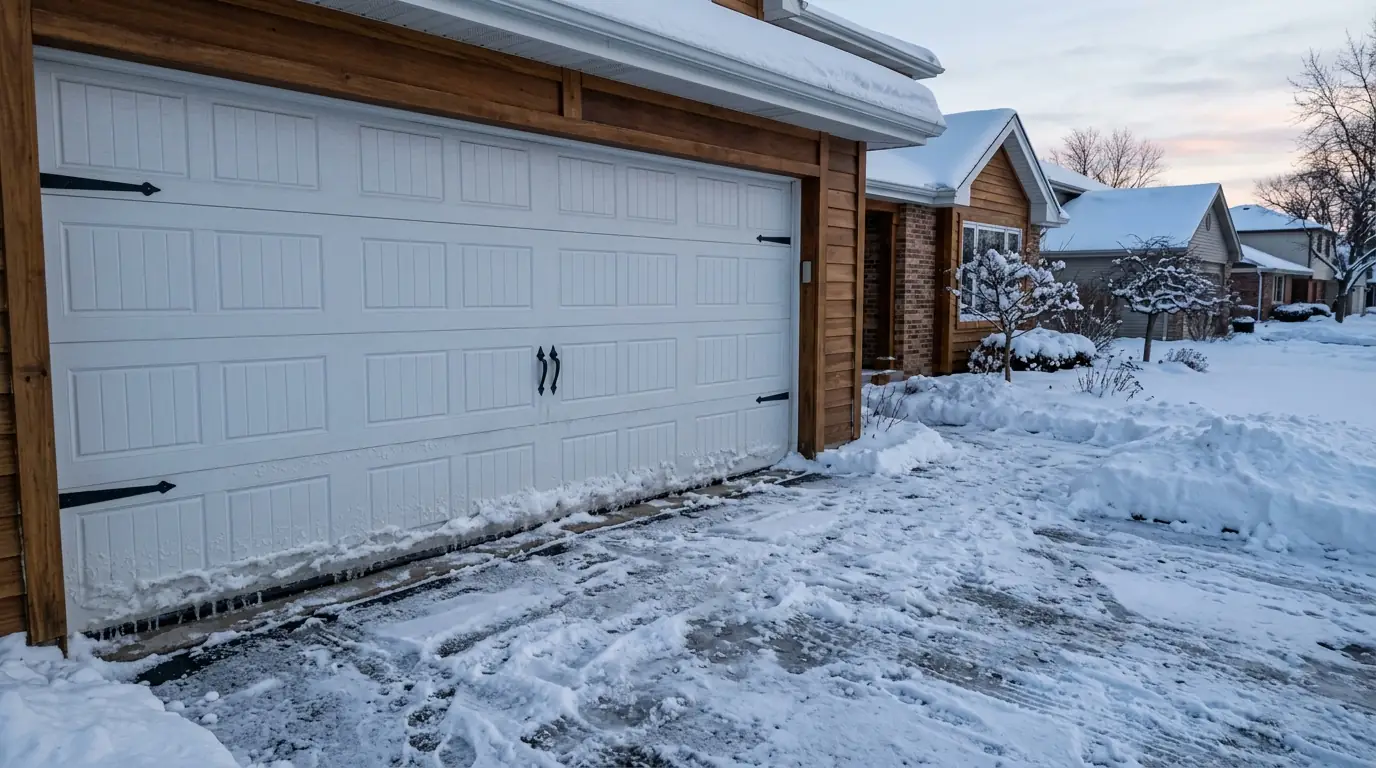
Naperville's January lows average about 17F. A door that has frozen to its seal, or that binds in its tracks in the cold, asks more of a spring that is already near the end of its cycles. That is often the morning it lets go, with a bang that sounds like something fell in the garage.
If it happens, leave the door down, unplug the opener and do not pull the red emergency release on an open door. Torsion spring replacement explains what the repair involves.
How to avoid paying for the wrong repair
- Ask for the price before any work starts, for one spring and for both
- Ask what size springs are going on and whether they are standard or high-cycle
- Make sure the door is balance-tested after the repair: it should stay put halfway up
- Ask that the cables and bottom brackets be checked while the door is apart
When to call instead
Spring work is the most dangerous garage door repair a homeowner can attempt. If a spring is broken, keep the door closed, unplug the opener and call; we answer 24/7.
Related: Torsion Spring Replacement, Extension Spring Replacement, Garage Door Cable Replacement.